
What Makes Tree Removal Necessary Instead of Ongoing Maintenance?
Deciding between maintaining a tree or removing it altogether is not always straightforward. Many factors come into play, from safety concerns and environmental implications to financial considerations and accessibility. For homeowners, business operators, and local councils alike, distinguishing when tree removal is the only viable option is crucial.
Understanding the Basics: Tree Maintenance vs. Tree Removal
Defining Tree Maintenance
Tree maintenance covers routine care such as pruning, trimming, pest management, and overall health assessments. Regular upkeep can significantly extend a tree’s lifespan and reduce the likelihood of major issues. However, when searching for tree removal near me, it’s often because early warning signs—such as disease, decay, or structural instability—have progressed beyond manageable levels.
This proactive, hands-on approach enables arborists to preserve valuable landscape features while prioritising public and property safety. With timely intervention, many trees showing minor defects can continue to thrive, while professional assessment helps determine when tree removal near me becomes the safest and most responsible option.
What Triggers the Shift Towards Removal?
Despite best efforts to maintain trees, some situations inevitably warrant removal. Severe storm damage, extensive disease, and safety hazards are just a few triggers. When a tree becomes unstable and poses a danger to people or property, removal is often the only responsible option.
In many cases, tree removal is a preventative measure. For example, recent figures indicate that in 2023, there were over 6.7 million tree removal tasks across the globe due primarily to storm damage and construction influences. This statistic highlights how natural events and urban development can compromise tree stability, making removal the safer and more pragmatic choice.
Safety Implications: The Human Element
The Risks for Tree Workers
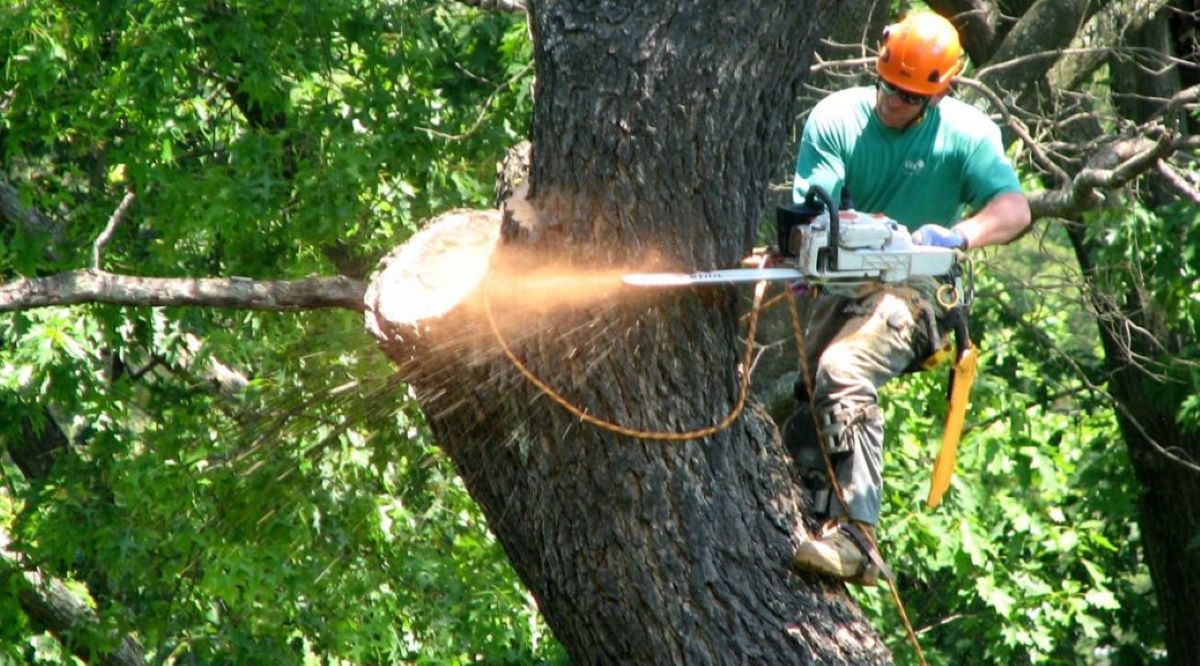
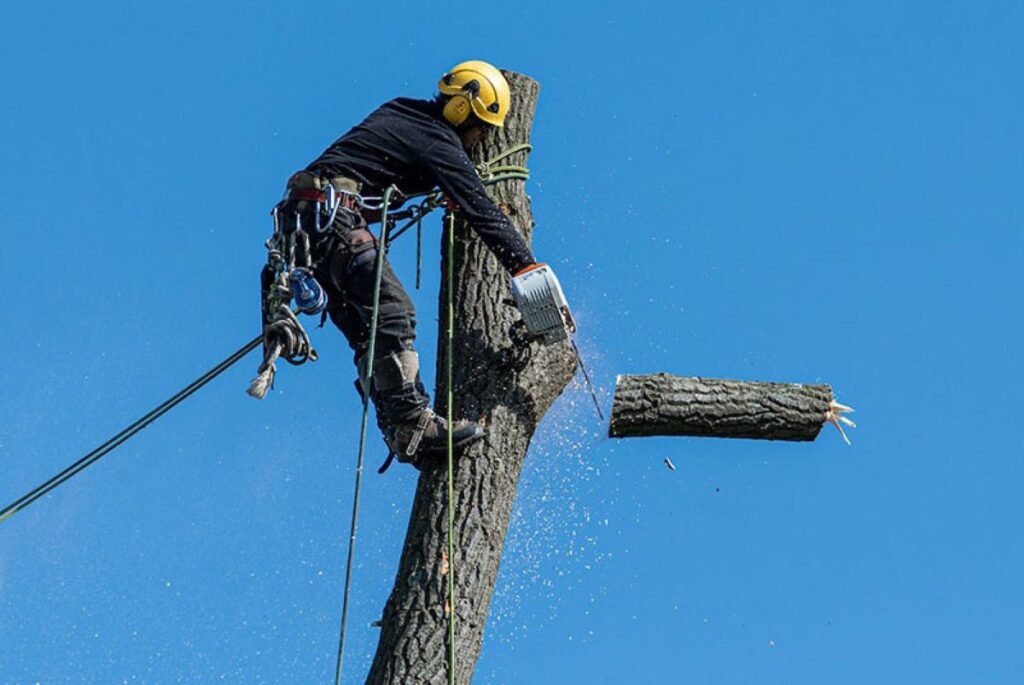
Working closely with trees brings inherent risks. Tree removal is a specialised task given the ever-present danger of falling limbs or unexpected structural failures. Alarmingly, industry data suggests that the average annual fatality rate for tree workers is 110 per 100,000 full-time equivalent workers-a figure roughly 30 times higher than the all-industry average. Such statistics underscore why strict safety protocols are indispensable.
Not only are the workers at risk, but homeowners and bystanders can also be endangered by a failing tree. When damage is beyond repair, professional removal minimises the potential for accidents. For those choosing to invest in routine maintenance, it is essential to recognize the boundaries between what can be managed and what should be discarded for safety reasons.
Community and Environmental Safety
In densely populated areas, the decision to remove problematic trees is often driven by public safety concerns. Trees growing too close to power lines or situated in congested neighbourhoods can present significant hazards. Removing trees in these scenarios is sometimes the only viable solution to protect the community.
Environmental factors also come into play. Diseased trees or those infested by pests may contribute to larger ecological issues, threatening surrounding flora. Removal in such cases helps prevent the spread of infection to neighbouring vegetation, preserving the overall health of local ecosystems.
Cost Considerations: Weighing the Financial Impact
The Economics of Maintenance Versus Removal
Tree maintenance and removal both come with costs that can vary dramatically based on tree type, location, and extent of damage. On one hand, routine maintenance such as pruning or disease management is often less expensive and can prolong the tree’s life. On the other hand, removal costs are higher, reflecting the complex, labour-intensive process involved.
Recent industry estimates suggest that in 2024, the average cost of professional tree removal rose by 8% to roughly $780 per tree. In comparison, hiring an arborist for maintenance tasks, which can vary from $75 to $5,000 depending on the service and tree condition, highlights the cost differential. Ultimately, the potential cost savings of maintaining a healthy tree must be balanced against the higher, but sometimes inevitable, expense of removal when safety is at risk.
Accessibility and Its Impact on Pricing
Accessibility can greatly influence the cost of tree services. When access for trucks and equipment is straightforward, removal jobs tend to be simpler, leading to lower overall expenses. In contrast, trees in hard-to-reach areas demand specialised equipment and additional time, driving up costs significantly.
Homeowners should consider how the location of a tree affects maintenance routines and removal pricing. Poor accessibility can not only increase costs but also present challenges for ensuring that routine maintenance is effective. As such, the logistical aspects of tree care play an integral role in the decision-making process.
Environmental and Aesthetic Considerations
The Role of Trees in Local Ecosystems
Trees provide more than just aesthetic value; they contribute significantly to environmental health. They reduce air pollution, offer habitat for local wildlife, and help in managing urban heat islands. In many Australian towns and cities, trees are a cherished component of the natural landscape, offering a touchstone of the environment that many residents feel proud to preserve.
When considering tree removal, one must assess the broader environmental impact. Removing a healthy tree without a strong justification can disrupt local biodiversity and create an aesthetic void in the neighbourhood. However, if a tree becomes a source of disease or danger, its removal might be the lesser evil compared to the cascading negative impacts of a failing, hazardous tree.
Aesthetic Impacts and Landscape Integrity
Once a tree is lost, restoring the aesthetic and environmental balance of a landscape is not always an easy task. Mature trees contribute to an area’s character, and their removal can have a profound effect on local property values. As such, property owners frequently opt for ongoing maintenance to preserve these natural treasures whenever possible.
Tree removal, when necessary, should ideally be accompanied by a strategic plan for landscape rehabilitation. Planting new trees, using native species, or integrating other greenery can help mitigate the loss of mature trees and restore visual harmony in the environment.
Technological Advances in Arboriculture
How Technology Is Enhancing Tree Care
The field of arboriculture has seen remarkable advancements thanks to technology. Modern methods such as the use of unmanned aerial vehicles (UAVs) have revolutionised how arborists assess tree health and plan maintenance activities. A recent study proposed an open-source approach that utilises UAV data to create tree inventories and assess tree vitality. Such innovations not only optimise workflow but also help in making informed decisions about maintenance versus removal.
Advanced imaging and data analysis enable pinpoint detection of structural weaknesses in trees. This is particularly beneficial for early interventions, allowing for timely maintenance. However, in cases where technology reveals that the structural integrity is compromised beyond repair, removal becomes clear-cut as the safest option.
Integrating Deep Learning and UAV Data
Recent research has delved into deep learning approaches to analyse tree inventories. These techniques facilitate rapid, accurate assessments that were previously impossible to achieve manually. For large-scale tree management, particularly in urban settings, such technology provides a dependable method to determine when a tree’s condition is no longer salvageable.
This integration of technology and arboriculture has the potential to transform how tree services operate. It balances the need for regular maintenance with a realistic appraisal of when removal is the only rational option. By utilising these tools, professionals can prioritise safety and efficiency in every tree care decision.
When Maintenance Falls Short: Recognising Non-Negotiable Removal Cases
Disease and Decay Beyond Repair
One significant reason to opt for tree removal over maintenance is when disease and decay have advanced to an irrecoverable stage. Fungal infections, for instance, can weaken a tree’s structure over time, eventually leading to rot and collapse. Even the most diligent maintenance efforts may not arrest this progression.
In cases where disease is rampant, removing the tree may prevent the spread of pathogens to nearby healthy specimens. This is particularly vital in public spaces where the failure to remove a compromised tree could have widespread repercussions. Maintaining a disease-free environment often calls for tough decisions, with removal being the most effective solution when a tree’s health has irrevocably deteriorated.
Structural Damage and Risk Management
Trees suffering from structural damage due to storm events, construction impacts, or simply old age can become significant hazards. Broken branches or unstable trunks are clear warning signs that the tree might not be salvageable through maintenance alone. In Australia, where severe weather events are not uncommon, quick and decisive action is often required.
Risk management is a crucial component of public safety in these situations. When a tree or its parts are likely to cause injury or property damage, professionals recommend removal as the only safe course of action. Although this might seem drastic, the long-term benefits in terms of safety can hardly be overstated.
Planning and Executing Tree Removal
Pre-removal Assessments and Permits
Before any tree is removed, a thorough assessment is always carried out. Professionals evaluate the health of the tree, the risk it poses, and its overall impact on the surroundings. These assessments are critical not only for safety but also for ensuring that the removal is justified and in compliance with local regulations.
In many Australian regions, obtaining the necessary permits is an essential component of the tree removal process. These permits ensure that the decision to remove a tree is well-founded and that there is a plan to mitigate any adverse impacts on the local environment. Detailed assessments and paperwork step in to reassure both the public and municipal bodies that safety has been prioritised.
The Removal Process: Techniques and Safety Measures
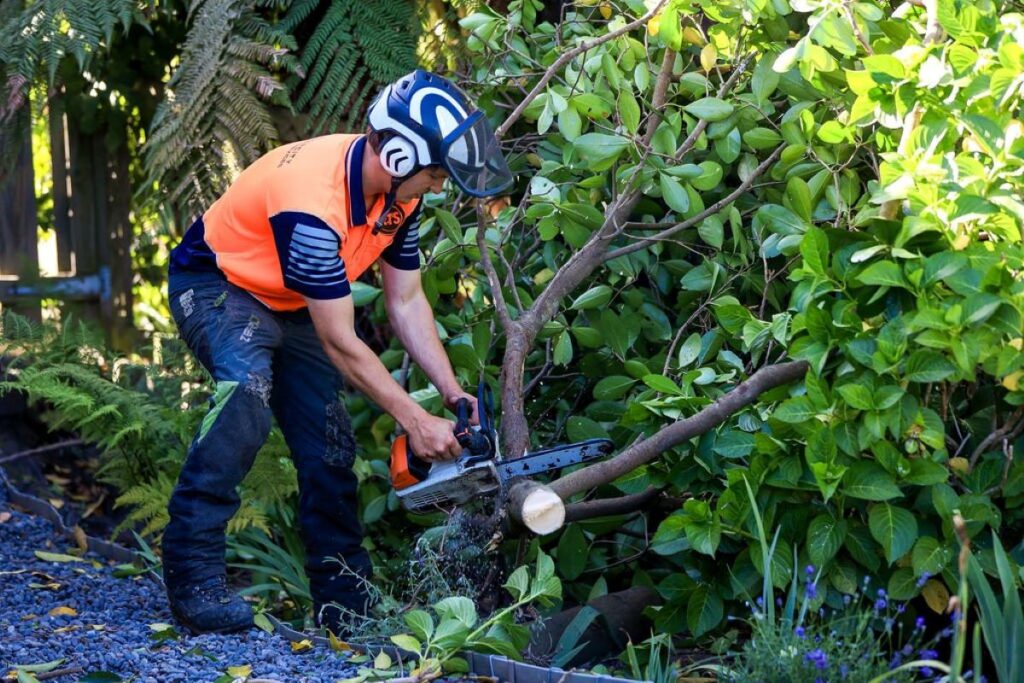
Once a decision has been made, the actual tree removal process is methodically planned to ensure minimal disruption and maximum safety. Tree removal experts deploy specialised equipment and adhere strictly to safety protocols, protecting themselves and bystanders from any potential hazards.
The work is often broken down into multiple stages: securing the area, strategic dismantling of the tree, and handling the remnants. Each stage is meticulously executed, ensuring that the risks associated with large equipment and falling debris are managed effectively. The procedure is comprehensive, reflecting the complexity and danger of removing a mature tree.
Aftermath and Landscape Rehabilitation
Restoring Balance Post-Removal
Once a hazardous or diseased tree has been removed, the next step is to restore the landscape. This is particularly important in urban and suburban areas, where the removal of a mature tree leaves a visible gap in the ecosystem and the neighbourhood’s aesthetic appeal. Replacing the lost tree with a healthy specimen can help maintain ecological balance.
Restoration projects often include planting new trees, installing hedges, or even redesigning entire sections of a public space. This transition not only improves safety but also revitalises the local environment and community spirit. In many cases, tree removal is part of a broader urban planning strategy aimed at making cities greener and more resilient.
Long-term Maintenance Strategies for a Healthy Environment
Following a removal, long-term maintenance of the remaining landscape is essential. Regular inspections and proper care of newly planted trees can help ensure that the environment evolves in a controlled and sustainable manner. Technological advancements, such as UAV monitoring and data-driven assessments, play a role in long-term planning and management.
Addressing tree health holistically calls for a combination of ongoing maintenance and proactive replacement strategies. These measures help avoid a repeat of the issues that led to the removal in the first place, ensuring that the balance between nature and urban development is preserved. Click here to get how to tell if a tree removal near me company is fully insured.
Industry Trends and Future Directions
Growth in the Global Tree Care Industry
The global tree care industry has seen strong growth over recent years. Since 2016, revenue has grown steadily, reaching over $37 billion annually, with projections suggesting that it will exceed $44 billion by 2028. Such growth reflects a rising awareness of the importance of urban forestry, even as it highlights the realities of managing the inherent risks associated with tree care.
This economic boon is underpinned by increased demand for both routine tree maintenance and professional removal services. As urban areas expand and natural events become increasingly unpredictable, tree care has become not just a matter of aesthetics but also a critical component of public safety and environmental health.
Adapting to New Technologies and Safety Practices
Safety improvements and technological innovation are likely to transform tree care practices in the coming years. Emerging tools, including advanced imaging and AI-driven analytics, empower arborists to make more informed decisions regarding maintenance and removal. This trend is especially important in mitigating risks associated with traditional tree work, whose dangers are well documented.
With an ongoing focus on reducing fatality rates among tree workers, the industry is embracing these tools to better predict when a tree’s condition has deteriorated beyond recovery. As technology continues to evolve, the line between maintenance and removal is being redrawn to prioritise safety without compromising environmental integrity.
Decision-Making: A Personal and Community Consideration
Evaluating the State of the Tree
In the heart of every decision between tree maintenance and removal is the need for an honest evaluation of the tree’s health. For property owners, understanding the visible signs of decay, disease, and structural instability is paramount. A minor crack can often be managed with routine care, but a split trunk or a tree that’s visibly leaning dangerously is a sign that removal might be necessary.
Property managers and local councils alike must weigh the environmental benefits against the potential costs of a hazardous tree. Professional assessments help determine if the risks outweigh the rewards, guiding actionable decisions that protect both property and public welfare.
Community Involvement in Tree Care Decisions
Community input also plays a significant role in tree care decisions. In many Australian suburbs, residents take pride in their local green spaces, making tree management decisions a communal issue. Engaging with professional arborists and conducting public consultations can help address concerns and highlight the importance of both safety and heritage preservation.
Transparent communication about why a tree might need to be removed helps mitigate community backlash, especially in cases where sentimental value is attached to mature trees. Although removal may sometimes be inevitable, the process of involving the community underscores the shared responsibility in maintaining a safe yet aesthetically pleasing neighbourhood.
Practical Tips for Homeowners and Local Councils
Assessing Tree Health Regularly
For homeowners, routine inspections are essential. Enlisting a professional for periodic health checks can help catch issues early. Noticing signs such as discoloured leaves, uneven canopy growth, or unusual cracks in the bark should prompt further investigation.
Documentation is key. Keeping a record of maintenance activities, observations, and assessments can help track the tree’s progress. This proactive approach not only postpones the need for removal but also provides vital information should removal become inevitable later on.
Collaborating with Professionals
Whether you manage public spaces or care for your own garden, establishing a relationship with experienced arborists can prove invaluable. Professionals know what to look for and can provide a detailed roadmap for the tree’s future-whether it involves additional maintenance or carefully planned removal.
Trust in expert advice goes a long way. By investing in expert assessments, both individuals and local councils can ensure that the best interests of the public and the environment are represented. This proactive engagement is essential in a landscape where safety and environmental health are inextricably linked.
Conclusion
Understanding when tree removal becomes inevitable, rather than opting for ongoing maintenance, is a nuanced process. Safety considerations, technological advancements, financial impacts, environmental concerns, and community opinions all blend into the decision-making framework. In Australia and beyond, making well-informed choices helps safeguard both people and the environment.
Whilst maintenance can often rehabilitate a failing tree, there are crucial moments when removal is not just an option but a responsibility. By embracing modern technology and expert guidance, property owners and municipal bodies can navigate these decisions more efficiently, ensuring that our treasured green spaces remain safe and vibrant for generations to come.
Every tree is a testament to nature’s beauty, but sometimes nature’s imperfections require bold decisions. Balancing preservation with pragmatism stands as the cornerstone of thriving urban forestry and responsible tree management.