
How to Tell If a Tree Removal Near Me Company Is Fully Insured
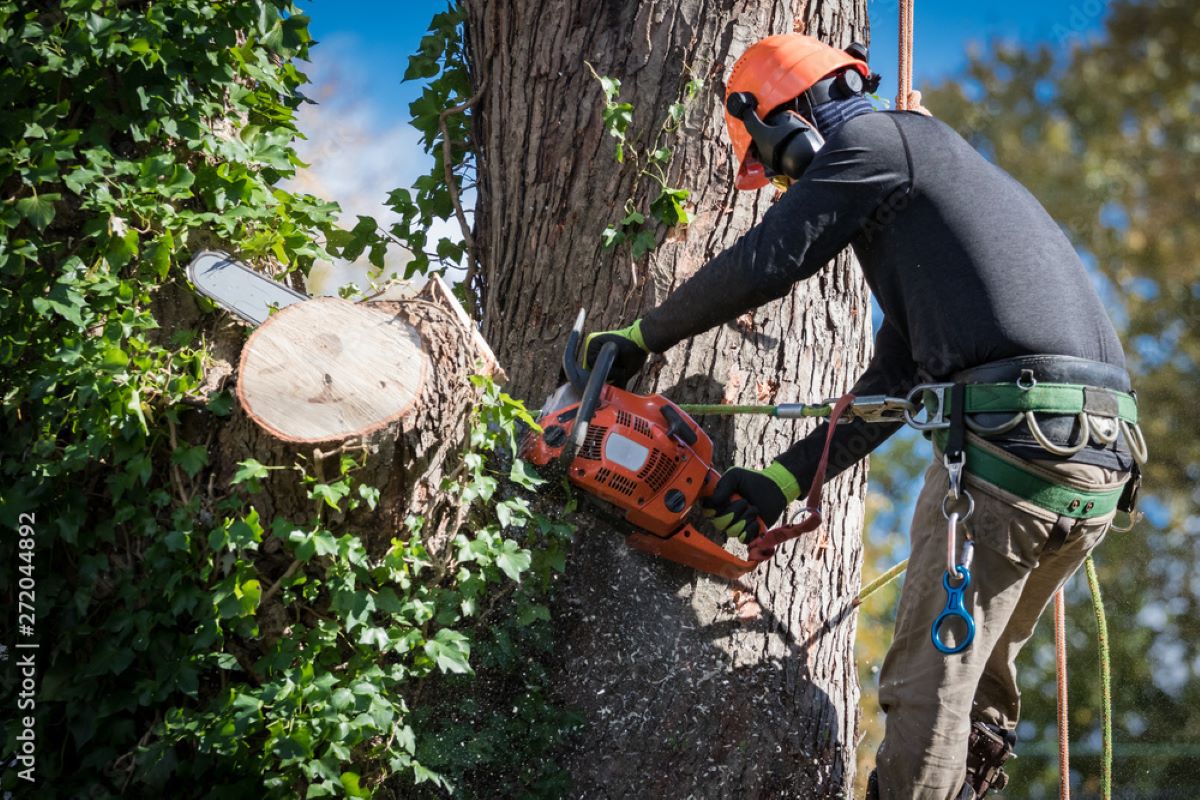
Choosing a tree removal service can feel like a risky leap of faith if you’re not sure whether the company you’re considering is fully insured. A fully insured company not only protects their workers but also shields you from costly mishaps. With incidents costing billions, knowing what to look for in safety and insurance is essential to protect your property and ensure a smooth process.
Understanding the Risks with Tree Removal
The Dangerous Nature of Tree Work
Tree work is one of the most hazardous occupations in the United States, rated as the fifth most dangerous. Branches, falling trees, and unstable ground each contribute to the inherent risks in the field. Handling large, heavy limbs in unpredictable weather conditions amplifies the potential for accidents.
For customers, this means that when a mishap occurs, the financial burden might extend to your pocket if the company isn’t fully covered. This is why verifying insurance coverage before hiring a tree removal service is not just smart-it’s essential.
Companies face the everyday challenge of balancing risk and safety, and comprehensive insurance coverage can offset these dangers by providing peace of mind both for the crew and their clients.
The Scale of Insurance Claims in Tree Removal
In 2024, the insurance industry paid approximately $4.5 billion in claims related to damage caused by fallen trees and tree limbs. This statistic demonstrates not only the frequency but the potential severity of incidents that can arise during tree removal. Such incidents aren’t rare anomalies; they represent a significant, ongoing concern within the industry.
This financial figure shows why insurers place great emphasis on ensuring those working in this field carry adequate coverage. Accidents involving extensive property damage can escalate quickly and cost considerably, emphasising why both businesses and homeowners should insist on working with companies that have robust insurance policies in place.
When searching for a tree removal service, probing questions about coverage limits and protection policies can reveal whether a company is well-prepared to handle the unexpected.
Common Insurance Types for Tree Removal Companies
General Liability Insurance
A general liability insurance cover is a fundamental requirement for any company offering tree services. This type of insurance mitigates financial risks arising from property damage or bodily injury during tree removal. For homeowners, this means if an accident occurs on your property, the insurance can cover repair costs or medical bills.
On average, the cost of general liability insurance for a tree service business is about $135 per month. While the premium might seem like an added cost, it is a small price to pay compared to leaving yourself vulnerable to potentially disastrous financial liability.
Investing in a fully insured service ensures that if a stray branch falls or an unexpected line of debris causes damage, you’re protected from unforeseen expenses that could otherwise have significant financial repercussions.
Workers’ Compensation Insurance
Workers’ compensation insurance is another critical component in the insurance portfolio of a tree removal company. This type of policy covers injuries sustained by employees on the job. Given the physically demanding and dangerous nature of tree work, comprehensive workers’ compensation is non-negotiable.
Recent reports suggest that the average cost for workers’ compensation insurance in these businesses is around $184 per month. This coverage not only protects the employees but also shields the business owner from potential lawsuits in case of work-related accidents.
In many regions, including parts of the United States such as Minnesota and certain guidelines in New Jersey, regulatory bodies mandate workers’ compensation for projects involving trees over a specific height. This legal requirement further underscores the need for tree removal companies to maintain robust insurance coverage.
Additional Insured Endorsements
When dealing with government or municipal projects, companies are often required to add the relevant authority as an “additional insured” on their policies. For example, the USDA Forest Service mandates that tree removal companies include the United States Government as an additional insured party. This requirement extends the protective umbrella of the insurance policy beyond the primary policyholder.
The inclusion of additional insured parties ensures that should an incident occur during a project – even one involving public assets – the financial responsibility is shared, lessening the impact on individual parties. This also indicates the company’s commitment to adhering to high standards of risk management and accountability.
Customers looking to hire tree removal services should ask if the company can provide evidence of all necessary endorsements. A lack of the proper additional insured endorsements might be a red flag, suggesting that the company might be cutting corners to reduce costs, inadvertently exposing clients to additional risks.
How to Verify Insurance Coverage
Request Documentation Directly
When contacting a tree removal service, the first step is to ask for proof of insurance. Reputable firms should readily supply documentation that outlines all relevant insurance policies, including certificates of currency and details of each coverage type.
Ask the service provider to specify their general liability and workers’ compensation policies. Don’t hesitate to request copies that include policy numbers, coverage limits, and the effective dates. This transparency is a key indicator of a company’s professionalism and accountability.
Verifying that your chosen company is covered saves you from potential liability. If an accident happens on your property, ensuring that the service provider is fully insured means you’re less likely to be held responsible for any resultant costs.
Check with the Insurer
Once you have the insurance certificates, it may be wise to contact the insurance provider for confirmation. A quick phone call or email can verify that the policy is current, and there are no pending claims or issues. This extra step provides additional peace of mind and verifies the authenticity of the coverage documentation.
Some insurers even offer online verification tools where you can enter the certificate details to cross-check information. Taking advantage of these resources reduces the risk of encountering companies that might claim to be covered when they are not.
Furthermore, ensuring that the insurance is valid reinforces the due diligence you’re performing. This personal check not only reinforces your confidence in the service provider but also highlights them as a reputable company in a high-risk industry.
Use Trusted and Local Recommendations
Another excellent method to verify the credibility and insurance coverage of a tree removal service is to seek recommendations from local sources. Ask friends, neighbours, or community groups if they’ve had any experiences with particular companies. Local business directories and review sites often indicate if a company is known for maintaining high insurance standards.
When local recommendations align with a company’s claims regarding insurance, it serves as strong evidence of their reliability. A company that is well-regarded locally is more likely to have invested in robust insurance coverage to manage its risks effectively.
Consider reaching out to local trade organisations or regulatory bodies specialising in tree care. They can often point you towards companies that have a verified track record of compliance and insurance validation.
Key Questions to Ask a Potential Tree Removal Service
What Types of Insurance Do You Carry?
Begin by asking which insurance policies the company holds. Understanding this helps to pinpoint whether they carry both general liability and workers’ compensation coverage. Details about any additional insured endorsements should also be requested.
It is important to ask for precise details: what are the coverage limits? What are the policy deductibles? Being aware of these specifics allows you to weigh any potential risks. The lower the limits or the higher the deductibles, the more likely you may face difficult negotiations should an incident occur.
Insurance policies vary based on multiple factors such as the size of the company, the value of the work being done, and the nature of the project. A thorough discussion about these aspects can help determine if the provider is adequately prepared for all eventualities.
Could You Provide Proof of Insurance?
Your next step is to request proof of insurance documentation. A reliable provider will have no trouble accepting this requirement. This documentation should specify dates, coverage limits, and the names of the insurance providers. If the company hesitates or cannot furnish appropriate documentation promptly, you might want to explore other options.
This request isn’t meant to be intrusive. Instead, it serves as a crucial protective measure for both you and the company. Being upfront about insurance expectations encourages transparency and demonstrates that you’re serious about safety and accountability.
Ask if the company’s insurance policies have been verified by any local or national industry bodies. Such verification is a testament to their adherence to industry best practices and legal requirements.
How Do You Handle Claims and Incidents?
Understanding the company’s incident response process is beneficial. Asking how they handle claims and accidents can reveal the robustness of their internal risk management. A transparent discussion about past incidents and how claims were handled often indicates a company’s experience and professionalism.
A well-established company should have a clear, documented process for resolving claims. This includes specific contact persons for dealing with insurance companies, detailed steps that are taken in the event of an accident, and how payments or repairs are managed. Such clarity is an indicator of both operational preparedness and insurance adequacy.
This conversation might also include queries about whether the company has experienced any recent claim incidents. Companies that have had multiple claims might be at higher risk, so being aware of their history can help you make a more informed decision.
Legal and Regulatory Considerations
Local Regulations and Requirements
Insurance requirements for tree removal companies can differ significantly based on location. Some regions have strict mandates that require tree service companies to have coverage for projects involving taller trees. For example, in Minnesota, businesses that work on trees over 12 feet tall must have workers’ compensation insurance.
Understanding local regulations ensures that your tree removal service is not only compliant with the law but also prioritising your safety. Regulations are designed to protect both workers and consumers, which means companies abiding by these laws are inherently more reliable.
Before hiring a tree removal company, check with your local council or state’s regulatory board to understand the specific requirements in your area. This preemptive step can avoid potential legal headaches should an incident arise.
Government and Industry Standards
National and government standards, such as those set by the USDA Forest Service, mandate rigorous insurance coverage. These standards require tree removal companies, especially those working on public lands or on projects involving government property, to add the government as an additional insured party. This condition reinforces the need for extensive and valid insurance policies.
Adhering to these standards demonstrates a company’s commitment to quality and accountability. It signals that they understand the higher stakes involved when working with public or community assets. Therefore, verifying that your chosen tree removal service complies with these requirements can offer much-needed reassurance about their operational procedures.
It might also be useful to review industry reports and guides from organisations like Insuranceopedia and TechInsurance. These resources detail how insurance coverage is structured for tree removal services, offering further clarity on why certain coverage is essential.
Other Resources : Observing urban forests in Australia
Risks of Underinsurance
One of the most significant issues in tree removal projects is the risk of underinsurance. If a company is not fully insured, or if their policies have low coverage limits, you might be left holding the bill in the event of a mishap. Underinsurance can result in financial consequences far exceeding the initial cost savings you might have seen.
For example, if a heavy tree limb falls and damages your property, and the company’s general liability insurance only covers a fraction of the damage, the remaining costs could be handed to you by default. Projects involving tall trees or complex environments often demand higher limits due to increased risks.
Before proceeding, clarify the extent of the insurance coverage. Asking detailed questions about the insurance limits and how potential accidents are managed safeguards your interests and avoids future disputes.
Evaluating the Cost of Insurance and Its Impact on Pricing
The Financial Angle: Insurance Premiums
Insurance is a significant operational cost for tree removal companies. The average cost for general liability insurance is about $135 per month and around $184 per month for workers’ compensation. Although these fees might seem substantial, they reflect the high levels of risk in tree removal operations.
Understanding these costs helps explain why reputable companies charge what they do. Investing in comprehensive insurance means higher operational expenses, but it also means better protection for both the workers and you, the customer. Good insurance coverage is the cornerstone of responsible business practice in any high-risk industry.
This investment in insurance not only lends credibility to the service provider but also acts as a buffer, ensuring that in the event of an accident, financial liabilities are managed properly. It’s a case of paying a little more today to avoid potentially catastrophic costs tomorrow.
How Insurance Affects Overall Pricing
It’s natural for customers to wonder if higher insurance costs mean elevated service charges. While it’s true that fully insured companies might charge a little extra, this cost is minimal compared to the benefits provided in terms of risk mitigation and accountability.
Insurance expenses are factored into the overall pricing strategy of a company. However, the true value of these costs is realised when an accident or mishap occurs, leading to potential savings for the customer. Essentially, paying a premium for insured services is an investment in your own security and peace of mind.
The visible transparency regarding insurance costs also indicates a company’s commitment to ethical business practices. Rather than cutting corners to save costs, fully insured companies ensure the necessary protective measures are always in place, even if it comes at a slight premium.
Assessing Value Over Price
Looking purely at the pricing of a service can be misleading in the context of insurance. Instead, evaluate the overall value and security offered by the insured service provider. A lower quote could mask vital omissions in insurance coverage, potentially leaving you vulnerable should something go wrong.
Compare quotes not only on price but on the coverage details provided. A slightly higher fee is justified when it guarantees that every aspect of the service is covered by the necessary policies. The extra expense ensures that you are comprehensively protected from any unforeseen events during the tree removal process.
This value-oriented approach reinforces that cutting costs on insurance is a false economy. In the long run, the benefits of working with a fully insured company far outweigh the marginal increase in service fees.
Additional Steps for Ensuring Safety and Reliability
Research Company Reputation and Experience
One of the best indicators of a company’s commitment to safety is its reputation within the community. Look for testimonials and reviews from previous customers. A company with extensive experience in dealing with intricate tree removal tasks will likely have invested in comprehensive insurance and safety protocols.
Direct recommendations from acquaintances or local community groups add valuable context. They often highlight practical experiences and potential pitfalls that you might not learn about through brochures or online profiles.
Verifying that a company has a solid track record in handling diverse tree removal situations is another layer of protection. This history not only underscores their expertise but also their dedication to maintaining high standards of safety and accountability.
Inspect Safety Protocols and Training
Insurance coverage is just one part of a broader commitment to safety. Equally important is ensuring that the company employs rigorous safety protocols and regular training for its staff. Fully insured companies are usually proactive when it comes to ensuring that their employees are up to date on the latest safety procedures.
Ask questions about the company’s training programmes and safety certifications. Knowing that the crew is well-trained, and confident in handling risky situations, provides an additional layer of protection. It also indicates that the company takes both insurance and operational safety seriously.
An emphasis on continual training and adherence to industry best practices signifies that the business is not only safeguarding its own interests but is also committed to protecting clients and the public at large.
Conduct a Personal Interview
A personal conversation with the tree removal provider could be invaluable. Use this opportunity to ask detailed questions about insurance, safety protocols, and past experiences with claims and incidents. A face-to-face or telephone interview can illuminate nuances not apparent from printed documents alone.
During the conversation, assess their willingness to answer questions candidly. A company that is reluctant to discuss its insurance details might be an indication that something is amiss. Trust and transparency are paramount, and being forthright with potential clients is a hallmark of a secure and reputable operation.
This dialogue not only clarifies insurance matters but also helps gauge the company culture and commitment to client satisfaction. Clear communication here can prevent misunderstandings later on in the project.
Final Thoughts on Choosing an Insured Tree Removal Service
Summing Up What to Look For
Ultimately, choosing a tree removal company that is fully insured is one of the best decisions you can make when it comes to safeguarding your home and finances. Look for clear documentation of general liability insurance, workers’ compensation, and, when applicable, additional insured endorsements.
Be diligent in verifying the authenticity of insurance certificates and seek direct confirmation from insurance providers if necessary. Pay close attention to local regulatory requirements and industry standards that influence the level of insurance coverage provided by the company.
More to Read : What Makes Tree Removal Necessary Instead of Ongoing Maintenance?