
A Step-by-Step Guide to Effective Termite Removal
What Is Termite Removal and Why Is It Important?
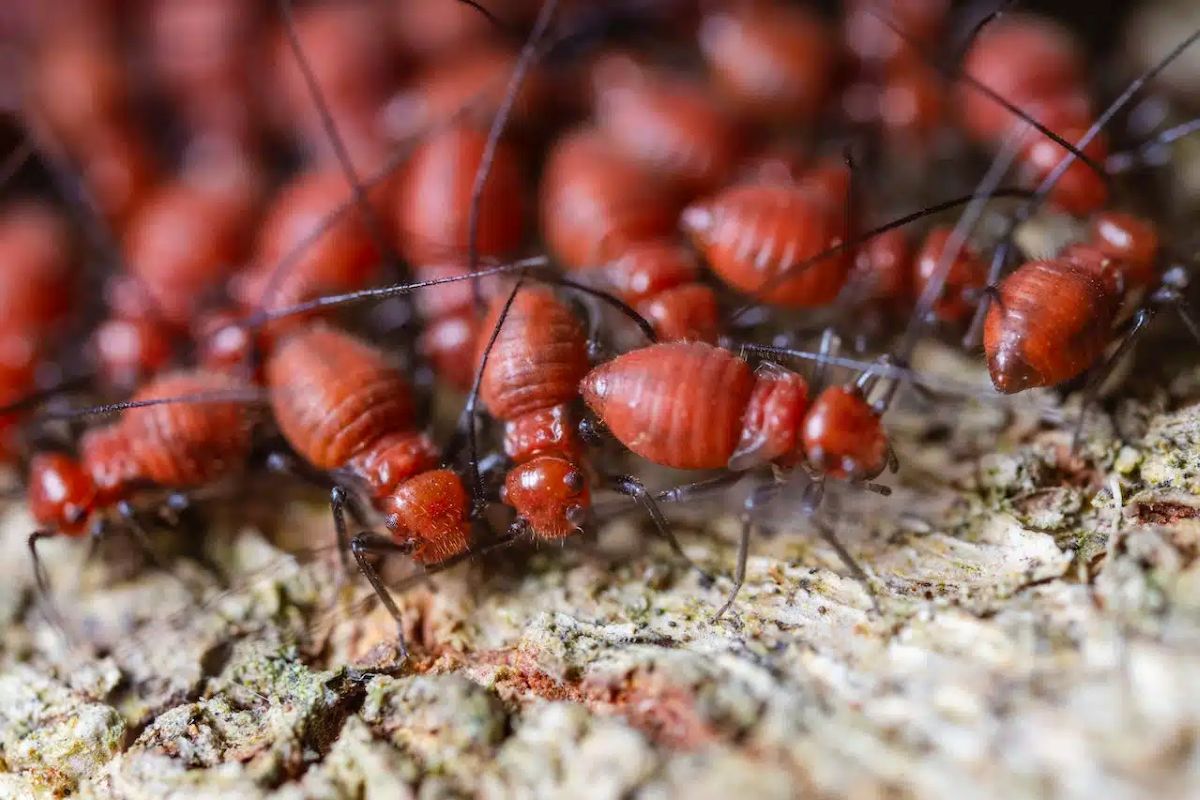
Termite removal is a systematic process that identifies, treats, and prevents infestations through coorEffective termite management relies on coordinated inspection, targeted treatment application, and ongoing monitoring. Professional termite inspections Sydney homeowners arrange follow a methodical approach that ensures complete eradication rather than temporary suppression of colonies.
Early intervention prevents catastrophic structural damage that can compromise a building’s integrity. Termites consume cellulose materials silently, often working undetected for months or even years before visible signs appear. A single colony can contain hundreds of thousands of termites, collectively consuming several grams of wood each day.
Termite damage commonly appears across multiple areas within a property:
• Wooden structures: floor joists, support beams, and roof timbers
• Walls: mud tubes and hollowed timber frames
• Flooring: spongy sections or unexplained sagging
• Furniture: solid wood items or pieces containing timber components
• Skirting boards and door frames: hollow sounds when tapped
The financial impact extends beyond repair costs. Untreated infestations can significantly reduce property value, with potential buyers often withdrawing offers once termite activity is discovered. Most insurance policies exclude termite damage, leaving homeowners fully responsible for restoration expenses.
Detection challenges increase the need for professional assessment. Termites avoid light and open air, preferring to operate within walls, beneath floors, and inside timber structures. By the time surface damage becomes visible, internal destruction is often advanced—making thorough termite inspections Sydney properties require essential for identifying both active colonies and hidden satellite nests that DIY methods frequently overlook.
How Can Termite Infestations Be Identified Effectively?
A termite inspection provides the foundation for successful removal by revealing hidden damage before it becomes catastrophic. Regular inspections protect property investments by catching infestations in their earliest stages, when treatment costs remain manageable and structural integrity hasn’t been compromised.
Who Benefits Most from Regular Termite Inspections?
Homeowners, landlords, and prospective property buyers each face unique risks that make inspections essential. Homeowners safeguard their largest financial asset whilst maintaining safe living conditions. Landlords fulfil legal obligations to provide habitable premises and avoid costly emergency repairs between tenancies. Property buyers gain critical information for negotiating purchase prices or identifying deal-breakers before completing transactions.
What Areas Require Examination During a Termite Inspection?
A comprehensive visual examination covers both obvious and overlooked spaces where termites establish colonies. Interior spaces demand attention to skirting boards, door frames, window sills, and any timber fixtures showing unexplained cracks or hollow sounds when tapped.
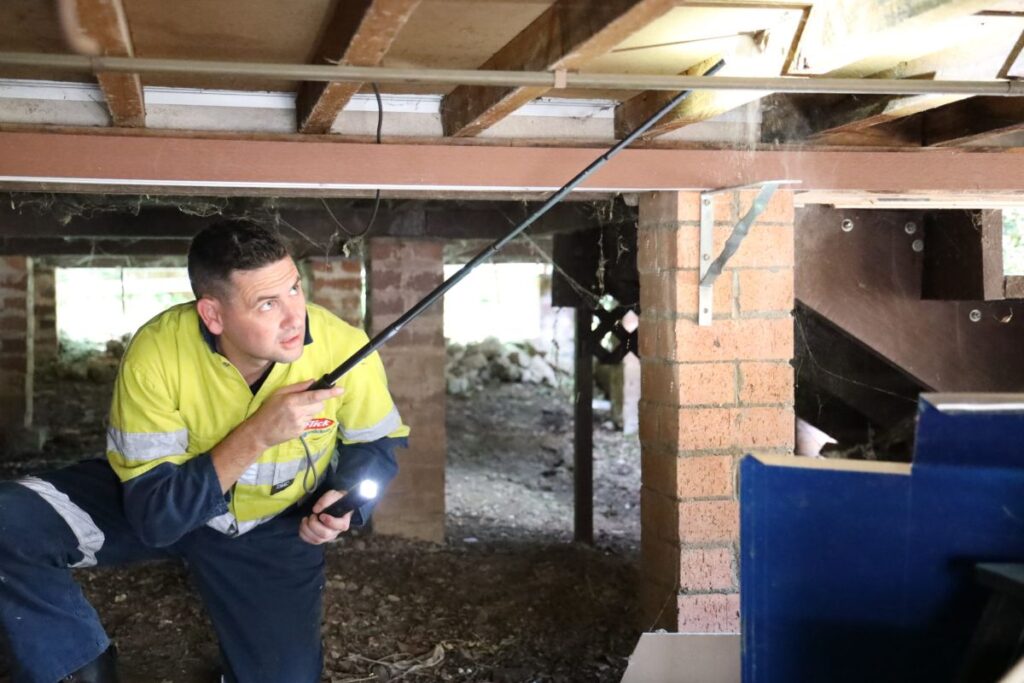
Subfloor areas present prime termite habitat due to moisture accumulation and darkness. Inspectors check floor joists, bearers, and stumps for mud tubes—the telltale highways termites construct between soil and food sources. Roof spaces require scrutiny of rafters, trusses, and any stored timber materials.
External zones often reveal the earliest signs of termites before internal damage becomes apparent:
- Yards and gardens: Tree stumps, mulch beds, and timber garden edging
- Fences and gates: Posts, rails, and palings showing surface damage
- Timber structures: Sheds, decking, pergolas, and outdoor furniture
- Foundation perimeters: Cracks in concrete, gaps around pipes, and soil-to-timber contact points
What Tools Enhance Detection Accuracy?
Moisture metres identify elevated humidity levels that attract subterranean termites to specific areas. These devices pinpoint problem zones requiring closer inspection even when visible damage hasn’t appeared. Tapping tools produce distinct hollow sounds in termite-damaged timber, distinguishing compromised wood from solid structures.
Thermal imaging cameras detect temperature variations caused by termite activity within walls and other concealed spaces.
What Are the Different Types of Termites and How Do They Affect Treatment Choices?
Two primary termite species cause structural damage: subterranean termites and drywood termites. Each species requires distinct treatment approaches based on their unique behaviours and habitats.
1. Subterranean Termites
Subterranean termites build extensive underground colonies and maintain constant contact with soil. These termites travel through mud tubes they construct along foundations, walls, and other surfaces to reach wood sources. They thrive in moist environments and typically attack wooden structures from the ground up, targeting foundations, floor joists, and support beams first. Their colonies can contain hundreds of thousands to millions of individuals, making them particularly destructive.
2. Drywood Termites
Drywood termites establish colonies directly within the wood they consume, requiring no soil contact. These termites infest dry, undecayed timber such as attic framing, door frames, window sills, and furniture. They create smooth galleries within wood and push out distinctive faecal pellets that resemble sawdust or coffee grounds. Their colonies remain smaller than subterranean varieties but can still cause extensive localised damage.
How Do Habitat Preferences Shape Treatment Strategies?
The soil-dependent nature of subterranean termites makes them vulnerable to ground-based treatments. Chemical barriers applied around foundations and soil treatments effectively disrupt their access to structures. Liquid termiticides create protective zones that kill termites attempting to cross treated areas.
Drywood termites present different challenges since they live entirely within wood structures. Spot treatments targeting specific infested areas work for minor cases, whilst severe infestations may require whole-structure fumigation. Wood treatments and surface sprays prove less effective against drywood colonies hidden deep within timber.
What Damage Patterns Help Identify Each Species?
Subterranean termites leave behind mud tubes on exposed surfaces and cause damage that appears honeycomb-like when wood is broken open. The affected wood often feels soft and sounds hollow when tapped. Moisture damage frequently accompanies their presence.
Drywood termite damage appears cleaner, with smooth galleries carved parallel to wood grain. The presence of small, hexagonal faecal pellets near exit holes confirms drywood activity. Unlike their subterranean counterparts, drywood termites rarely cause moisture-related issues as they do not rely on damp conditions for survival.
Which Treatment Methods Are Most Effective Against Termites?
Chemical treatments are the mainstay of professional termite control, with dusting and wood barrier applications providing targeted results. Chemical dusting involves applying fine insecticidal powder directly into termite galleries, wall voids, and structural cavities where colonies thrive. The dust clings to termites’ bodies, spreading throughout the colony as they groom each other, creating a cascading elimination effect.
Wood barrier treatments create protective zones by applying liquid termiticides to timber surfaces and structural elements. These barriers prevent termites from accessing food sources while killing active colonies on contact. The residual protection typically lasts 8–12 months, making this approach particularly valuable for properties with recurring infestations.
How Do Boric Acid Sprays Work?
Boric acid sprays offer a less toxic alternative that disrupts termites’ nervous systems and dehydrates their bodies. Mix boric acid powder with water to create a sprayable solution, then apply directly to infested wood, cracks, and crevices. The treatment works slowly but effectively, with termites ingesting the acid while feeding or grooming.
Application requires thorough coverage of affected areas:
- Spray visible termite tunnels and mud tubes
- Treat wooden surfaces showing signs of damage
- Apply to joints where wood meets masonry
- Reapply every 2–3 weeks for active infestations
The method proves most effective against drywood termites in accessible locations. Limitations include slower action compared to synthetic chemicals and reduced effectiveness in concealed areas where spray cannot penetrate.
What Natural Oils Eliminate Termites?
Neem oil and orange oil containing D-limonene provide natural termite control options for environmentally conscious property owners. D-limonene, extracted from citrus peels, dissolves termites’ exoskeletons on contact, causing rapid death. Orange oil works best when injected directly into infested wood through drilled holes, allowing the solution to saturate termite galleries.
Neem oil disrupts termites’ hormonal systems, preventing reproduction and feeding. Apply by:
- Drilling small holes into damaged wood
- Injecting oil directly into galleries
- Treating exposed timber surfaces
- Repeating applications every
How Can Physical Barriers Help Prevent Termite Infestations?
Physical barrier termite prevention creates a protective zone that stops termites from reaching wooden structures before they establish colonies. The most effective barrier involves maintaining an 18-inch clearance between soil and any wooden building components.
This gap prevents subterranean termites from building mud tubes directly from ground level into timber. Termites require contact with soil for moisture and cannot survive extended exposure to open air. The 18-inch measurement provides enough distance to make wooden structures inaccessible through normal termite foraging behaviour.
Why 18 Inches Matters
The specific measurement isn’t arbitrary. Termites typically build mud tubes that extend 12-15 inches from ground level when searching for food sources. An 18-inch clearance exceeds their natural reach and forces them to construct longer, more visible tubes that homeowners can spot during routine inspections.
This clearance also prevents moisture accumulation near wooden elements. Damp wood attracts termites and creates ideal conditions for colony establishment. Proper spacing allows air circulation that keeps timber dry and less appealing to these pests.
Implementing the Barrier Correctly
Property owners should measure from the highest soil point to the lowest wooden component. This includes:
- Deck posts and support beams
- Door frames and window sills
- Wooden siding or cladding
- Timber fascia boards
- Fence posts attached to structures
Landscaping materials like mulch, wood chips, or decorative timber should never be piled against building foundations. These materials provide hidden pathways for termites to bypass the protective gap.
Combining Barriers with Other Defences
The 18-inch clearance works best alongside proper drainage systems. Gutters, downpipes, and grading should direct water away from foundations. Standing water or saturated soil near buildings creates conditions that encourage termites to venture closer to structures despite the physical barrier.
Regular vegetation trimming prevents plants from bridging the gap between soil and wood. Overgrown shrubs, climbing vines, or tree branches touching buildings create alternative routes for termite access.
What Are the Best Practices for DIY Termite Control?
DIY termite control requires a methodical approach that begins with accurate identification and ends with proper product application. Success depends on your ability to locate active infestations and select treatments that match your specific termite problem.
How Do You Identify Active Termite Areas?
Start by examining areas where termites typically gather: wooden beams, door frames, window sills, and any wood-to-soil contact points. Look for mud tubes running along walls or foundations—these pencil-width tunnels indicate subterranean termite highways. Tap wooden surfaces with a screwdriver handle; hollow sounds suggest internal damage.
Check for frass (termite droppings), which appears as small pellets near wooden structures. Drywood termites leave these telltale signs near their entry points. Use a moisture meter to detect damp areas, as termites are attracted to moisture-rich environments.
Inspect your property during spring when winged termites swarm. Discarded wings near windowsills or doors indicate an active colony nearby. Document all findings with photographs and notes to track infestation patterns.
Which Products Work Best for DIY Treatment?
Boric acid remains the most reliable option for homeowners tackling termite problems. Mix the powder with water to create a spray solution, applying it directly to affected wood surfaces. The substance disrupts termite digestive systems while remaining relatively safe for household use.
Termite baits containing slow-acting toxins allow worker termites to carry poison back to their colonies. Position bait stations around your property’s perimeter, spacing them 3-4 metres apart. Check stations monthly and replace consumed bait promptly.
Essential oils like neem or orange oil (containing D-limonene) kill termites on contact. These natural alternatives suit minor infestations but require repeated applications. Inject oils directly into termite galleries or spray onto exposed wood.
What Safety Measures Should You Follow?
Personal protective equipment isn’t optional when handling termite treatments. Wear chemical-resistant gloves, safety goggles, and a respirator mask during application. Long sleeves and trousers protect your skin from accidental contact with pesticides.
Read product labels thoroughly before use. Each chemical has specific instructions regarding application methods, safety precautions, and disposal guidelines—following these directions ensures effective treatment while minimising risks to yourself and others.
When Should Property Owners Consider Professional Pest Control Services?
Professional termite treatment becomes necessary when infestations extend beyond surface-level damage or when DIY methods fail to eliminate the colony. Property owners should contact licensed pest control specialists if they discover extensive termite tunnels in walls, structural wood damage, or active termite swarms inside the home.
Signs that warrant professional intervention include:
- Multiple termite colonies detected across different property areas
- Damage to load-bearing structures or foundation elements
- Recurring infestations despite previous DIY treatment attempts
- Inaccessible infestation sites such as wall cavities or beneath concrete slabs
- Pre-purchase property inspections requiring certified documentation
Professional services deliver residual protection lasting 8–12 months, significantly longer than most consumer-grade products. Licensed technicians apply commercial-strength termiticides that create protective barriers around the entire property perimeter, preventing future colony establishment.
Certified pest control companies utilise advanced detection equipment including thermal imaging cameras, acoustic sensors, and moisture meters to locate hidden termite activity. These tools identify infestations behind walls and under floors without invasive demolition, saving property owners substantial repair costs.
Professional treatments often include warranties guaranteeing re-treatment if termites return within the coverage period. This financial protection proves invaluable for homeowners facing expensive structural repairs. Technicians also provide detailed inspection reports documenting infestation severity, treatment methods applied, and recommended prevention strategies.
The expertise of trained professionals ensures correct species identification, which directly influences treatment effectiveness. Misidentifying subterranean termites as drywood species leads to inappropriate treatment selection and continued structural damage. Licensed operators possess the knowledge to distinguish between species and apply targeted solutions.
Property owners managing rental units or commercial buildings benefit from professional documentation required for insurance claims and tenant disclosures. Certified inspection reports and treatment records demonstrate due diligence in property maintenance and pest management responsibilities.
How Should Termite Activity Be Monitored After Treatment?
Post-treatment termite inspection serves as your primary defence against recurring infestations and ensures the treatment has worked effectively. Regular monitoring allows you to catch any surviving colonies or new termite activity before significant damage occurs.
Recommended Inspection Schedule
The first post-treatment termite inspection should occur within 30 days of completing the initial treatment. This early check confirms whether the treatment has successfully eliminated active termite colonies and identifies any areas requiring additional attention.
Subsequent inspections should follow this timeline:
- Months 2-3: Monthly inspections to verify treatment effectiveness
- Months 4-6: Bi-monthly inspections as termite activity should decline
- Months 7-12: Quarterly inspections to maintain vigilance
- Year 2 onwards: Annual inspections for long-term prevention
Key Areas to Monitor
Focus your post-treatment termite inspection on previously affected zones and high-risk areas. Check for mud tubes along foundation walls, as these indicate active subterranean termite movement. Examine treated timber for new damage patterns such as hollow-sounding wood or fresh frass (termite droppings).
Pay particular attention to moisture-prone locations including bathrooms, kitchens, basements, and areas near plumbing. Termites require moisture to survive, making these spots vulnerable to reinfestation.
Signs of Treatment Failure
Recognising early warning signs helps you respond quickly to treatment failures. Live termites appearing within treated areas suggest the colony survived or a new colony has established itself. Fresh mud tubes, particularly those built around treated zones, indicate termites are actively seeking alternative routes.
Increased wood damage or new hollow spots in previously treated timber signal ongoing termite activity. Swarming termites near your property during spring or autumn months may indicate a mature colony nearby.
Documentation and Record-Keeping
Maintain detailed records of each post-treatment termite inspection, including dates, locations examined, and findings. Photograph any suspicious areas to track changes over time. This documentation proves invaluable when claiming warranties from professional pest control services or when selling your property.
Record environmental changes that might attract termites, such as new landscaping, water leaks, or wood-to-soil contact issues. Read more about pest control.

What Factors Influence the Cost of Termite Removal Services?
The cost of termite treatment can vary significantly based on several factors specific to the property. Instead of a standard rate for all, property owners can expect the pricing to reflect the unique challenges their infestation presents.
1. Property Size
The size of your property directly impacts the cost of treatment. Larger homes require more materials, labour time, and coverage area. For example, a 150-square-metre home typically costs less to treat than a 300-square-metre property because technicians must inspect and treat proportionally more space.
2. Construction Materials
The construction materials used in your building also affect both the complexity of the treatment and the pricing. Homes with extensive timber framing, wooden cladding, or multiple wooden structures require more thorough treatment than predominantly brick or concrete buildings. Additionally, properties with crawl spaces, basements, or complex architectural features may incur higher costs due to difficult access points.
3. Extent of Infestation
The extent of the infestation plays a crucial role in determining the final costs. Light infestations confined to a single area cost considerably less than widespread colonies affecting multiple rooms or structural elements. Severe damage requiring wood replacement or structural repairs adds substantial expenses beyond basic termite elimination.
4. Type of Termite
The species of termite present on your property influences the methods used for treatment and the associated costs:
- Subterranean termites often require soil treatments, trenching around foundations, and barrier installations
- Drywood termites may need fumigation tents or localised wood treatments, which differ in price and application
5. Multiple Treatment Methods
If your property requires multiple treatment methods, it will naturally incur higher expenses. A comprehensive approach combining chemical barriers, baiting systems, and targeted spot treatments costs more than single-method applications but provides superior protection.
6. Accessibility Challenges
Accessibility challenges such as difficult terrain, dense landscaping, or limited entry points to affected areas increase labour time and equipment needs. Technicians who charge hourly rates or factor in complexity will adjust pricing accordingly.
7. Warranty and Aftercare Packages
The warranty and aftercare packages offered by professional services add value but also affect upfront costs. Companies that provide 8-12 month residual protection with scheduled follow-up inspections typically charge more than basic one-time treatments without guarantees.
Understanding these factors that influence termite treatment costs can help property owners budget appropriately and evaluate quotes from different pest control providers.
FAQs (Frequently Asked Questions)
What is termite removal and why is it important for protecting wooden structures?
Termite removal is a systematic process aimed at eliminating termite infestations to prevent damage to wooden structures such as furniture, walls, and flooring. Addressing termite infestations early is crucial to avoid costly structural damage and maintain the integrity of your property.
How can termite infestations be identified effectively through inspections?
Effective identification of termite infestations involves thorough inspections of interiors, subfloors, roofs, yards, gardens, fences, and timber structures. Homeowners, landlords, and buyers should conduct regular visual examinations and schedule inspections at recommended frequencies to detect signs of termites early.
What are the different types of termites and how do they affect treatment choices?
The two main types of termites are subterranean termites and drywood termites. Subterranean termites prefer soil habitats and often cause damage underground or near foundations, while drywood termites infest dry wood above ground. Understanding their habitat preferences and damage patterns informs the selection of appropriate treatment methods.
Which treatment methods are most effective against termite infestations?
Effective termite treatments include chemical dusting, wood barrier treatments, boric acid sprays, and natural oils containing D-limonene such as neem oil. Each method offers specific benefits: chemical treatments provide residual effects; boric acid and neem oil offer natural alternatives. The choice depends on infestation type and severity.
How can physical barriers help prevent termite infestations in buildings?
Physical barriers prevent termites by maintaining an 18-inch clearance between soil and wooden parts of buildings. This gap reduces the risk of termites accessing wooden structures from the ground, serving as a proactive measure in termite prevention strategies.
When should property owners consider professional pest control services for termite treatment?
Property owners should consider professional pest control services when dealing with significant or persistent termite infestations. Professionals offer advantages such as long-lasting residual effects lasting 8–12 months, expert application of treatments, and comprehensive monitoring to ensure effective termite removal.
Related : Need Immediate Relief? Why You Should Ask for Same Day Pest Control